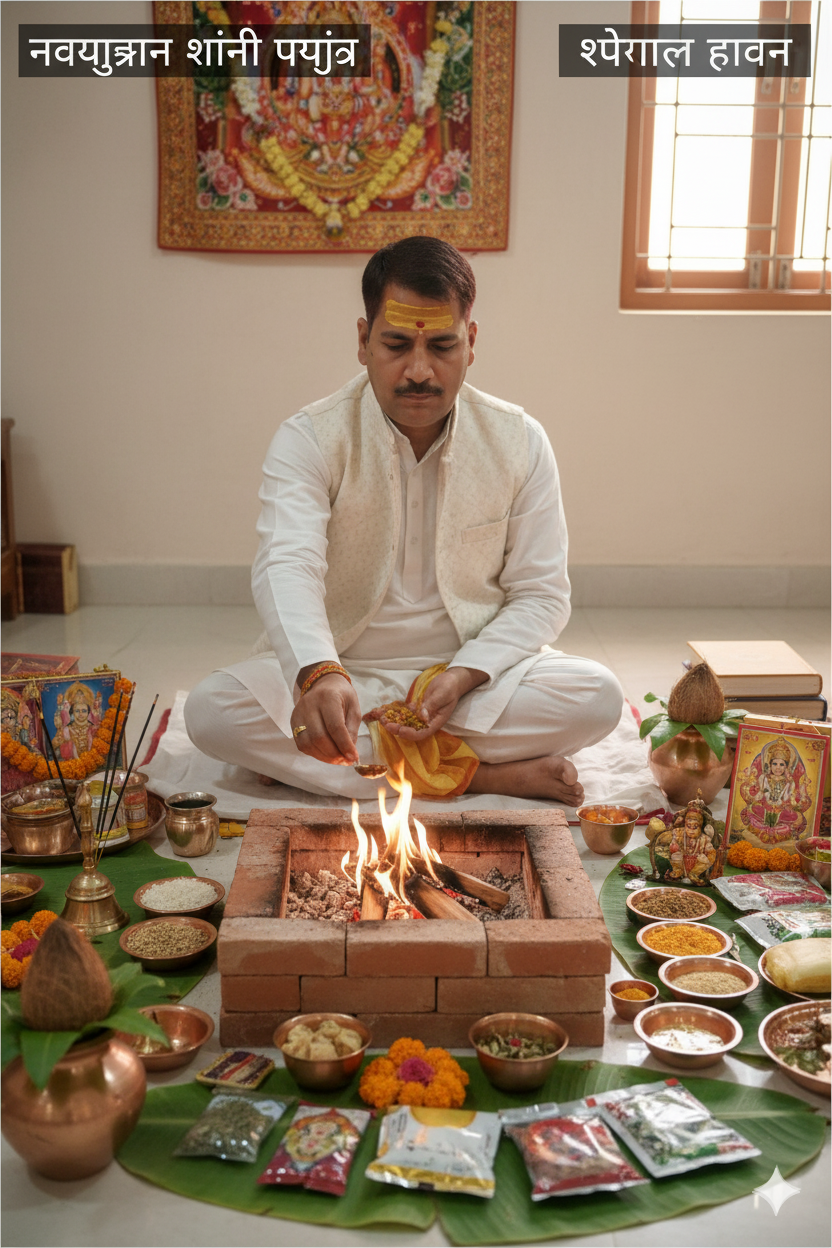
What Are Religious Ceremonies?
India’s rich spiritual heritage is woven with a tapestry of religious ceremonies that have been practiced for thousands of years. These ceremonies, often referred to as pujas or anustaan, are deeply symbolic rituals that create a bridge between the physical and the divine. They are designed not only to invoke blessings but also to celebrate life's significant moments, bringing individuals and communities together in shared faith and devotion.
Religious ceremonies in India encompass a wide range of spiritual practices, from simple daily prayers at home to grand temple rituals and elaborate festivals. At their core, these ceremonies serve as expressions of reverence, gratitude, and surrender to a higher power. Whether it is the lighting of a diya (lamp), chanting of mantras, or offering of flowers and food to deities, each act carries meaning and intention.
These rituals provide a structured way for devotees to focus their minds and hearts, fostering a sense of inner peace and connection. They also mark important occasions such as births, marriages, harvests, and festivals, reminding us of the cyclical nature of life and the presence of the divine in everyday moments.